Tips for Keeping Kids’ Art Organized and Easily Enjoyed
Keeping your children’s artwork organized can be both a rewarding and challenging task. From colorful drawings to school projects, kids produce a lot of creative masterpieces that deserve to be preserved and celebrated. However, without a system, these treasured pieces can quickly take over your home, leading to clutter and frustration. In this post, we’ll explore practical tips and ideas to help you keep kids’ art organized, easily accessible, and beautifully displayed.
Why Organize Your Child’s Artwork?
Before diving into the tips, it’s helpful to understand why organizing art is important:
– Preserves memories: Art captures moments in your child’s development and creativity.
– Reduces clutter: Prevents piles of paper and projects from overwhelming your space.
– Boosts confidence: Displaying their artworks shows kids that their efforts are valued.
– Simplifies decision-making: Knowing where art goes makes it easier to decide what to keep or discard.
With these benefits in mind, let’s explore effective ways to organize kids’ art.
Create a Dedicated Art Space
Having a specific spot to manage artwork can simplify the process.
Use an Art Station or Corner
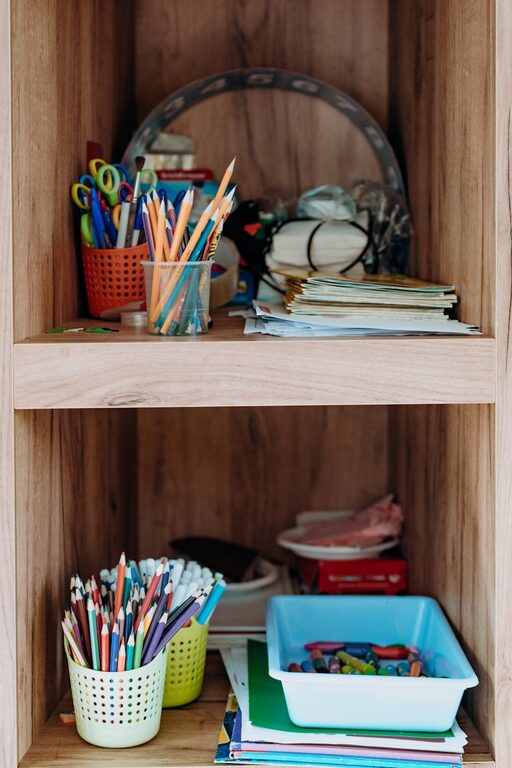
Set up a small area with supplies and storage containers where kids can create and immediately store their work. This encourages tidiness and makes cleanup easier.
Wall Display Zones
Designate a section of a wall or a bulletin board where new pieces can be hung. You might rotate artworks weekly or monthly to keep the display fresh and engaging.
Sort and Curate Regularly
Organization works best when done consistently.
Develop a Routine
Schedule a weekly or monthly check-in with your child to review new art. Together, decide which pieces to display, store, or recycle.
Keep Sentimental and Special Pieces
Not every drawing needs to be saved. Focus on works that represent milestones or show unique creativity.
Storage Solutions for Artwork
Choosing the right storage method keeps art safe and organized.
Art Portfolios or Binders
Large, flat portfolios can hold multiple drawings and paintings. Alternatively, three-ring binders with plastic sleeves protect pages and make browsing easy.
Storage Boxes or Tubs
Label sturdy boxes by year, age, or school grade to keep 3D projects or bulkier items organized.
Digital Archives
Photograph artwork and store images electronically. This method saves physical space while preserving memories. Consider creating digital photo books annually with selected pieces.
Creative Display Ideas
Making art visible adds fun and inspiration to any space.
Rotating Frames
Use frames that open easily to swap artwork in and out. This allows for a dynamic display that can grow with your child.
Clipboards or String and Clips
Hang clipboards on a wall or string a wire with clothespins to create an informal gallery. These are perfect for quick changes and encourage kids to show off their latest work.
Art Collages or Posters
Arrange multiple pieces into a large collage or scan and print a poster collage to showcase many artworks in one place.
Involve Your Child in the Process
When kids participate in organizing their art, they learn responsibility and pride in their creations.
– Let them choose favorites to keep or display.
– Encourage them to help label storage boxes.
– Make organizing a fun activity with music or snacks.
Additional Tips for Maintaining Art Organization
– Use clear labeling: Dates, titles, and comments can be helpful for reminiscing later.
– Limit storage space: When boxes are full, it’s a good time to sort and weed out older pieces.
– Keep supplies handy: Store art materials near the display or storage areas to facilitate creativity.
– Consider gifting art: Share certain pieces with family members as gifts or cards, spreading joy and reducing accumulation at home.
Conclusion
Organizing your child’s artwork doesn’t have to be overwhelming. With a few dedicated spaces, regular sorting, smart storage solutions, and creative displays, you can cherish your child’s creativity while keeping your home tidy. Remember, the goal is to preserve these precious memories in a way that brings joy to your family for years to come.
—
By establishing simple systems and involving your children, you’ll find that keeping kids’ art organized becomes an enjoyable part of your family routine, not a chore. Happy organizing!