
Easy Ways to Reduce Food Waste at Home and Save Money
Reducing food waste at home is one of the most effective ways to save money and help the environment. Every year, tons of edible food end up in the trash, which not only wastes resources but also contributes to greenhouse gas emissions. The good news is that by making small changes in your daily routine, you can make a big difference. In this post, we’ll explore practical ways to minimize food waste in your household.
Why Reducing Food Waste Matters
Before diving into strategies, it’s helpful to understand why food waste reduction is important:
– Environmental Impact: Wasted food consumes water, energy, and land resources. When it decomposes in landfill, it releases methane, a potent greenhouse gas.
– Economic Benefits: Throwing away food means throwing away money. Reducing waste helps you shop smarter and spend less.
– Social Responsibility: Food insecurity affects millions. Reducing waste encourages mindful consumption and may inspire sharing or donations.
Now, let’s look at actionable steps to cut food waste at home.
Planning and Shopping Smart
1. Make a Meal Plan
Creating a weekly meal plan helps you buy only the ingredients you need. Plan breakfasts, lunches, dinners, and snacks so you avoid impulse purchases.
2. Check Your Pantry and Fridge First
Before shopping, review what you already have. Use items close to expiration before buying duplicates.
3. Shop with a List
Stick to a shopping list based on your meal plan and pantry inventory. This reduces the chance of buying unnecessary items that spoil.
4. Buy Loose or Smaller Quantities
If possible, buy fruits, vegetables, and other staples loose. This lets you choose exact amounts, reducing leftover scraps.
Smart Storage Techniques
5. Understand Expiration Dates
“Best before” and “use by” dates indicate peak freshness but don’t always mean spoilage. Use your senses—look, smell, and taste—to judge food safety.
6. Store Food Properly
– Keep fruits and vegetables in appropriate conditions; some last longer in the fridge, others on the counter.
– Use airtight containers to preserve freshness.
– Label leftovers with dates so you can track how long they’ve been stored.
7. Use Freezing to Extend Life
Many foods can be frozen, including bread, meat, cooked meals, and even fresh herbs. Freeze portions you won’t eat immediately.
Cooking and Eating Strategies
8. Cook Smaller Portions
Prepare enough food for your meals without making excessive leftovers that may go uneaten.
9. Repurpose Leftovers Creatively
Transform leftovers into new dishes, like soups, stir-fries, or casseroles. Get creative to give food a second life.
10. Practice Proper Portioning
Serve sensible portions that you know your household will eat. Offer smaller servings with the option to take seconds.
11. Use Ugly or Imperfect Produce
Don’t discard fruits and vegetables just because they look less than perfect. They’re just as nutritious and tasty.
Managing Leftovers and Waste
12. Implement a First-In, First-Out System
When storing food, place newer items behind older ones. This ensures you use older food before it spoils.
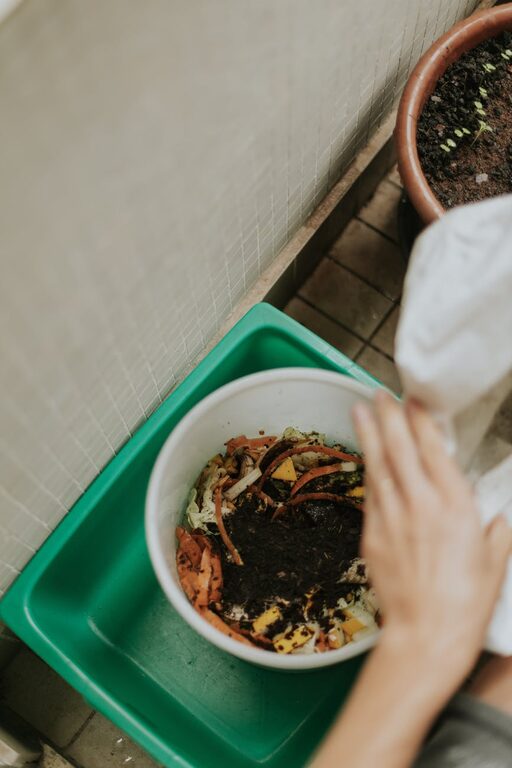
13. Keep a Compost Bin
Collect unavoidable food scraps like peels and coffee grounds for composting. This reduces landfill waste and creates nutrient-rich soil for gardening.
14. Donate Surplus Food
If you have non-perishable or unopened foods you won’t use, consider donating them to food banks or community centers.
Educate and Involve Your Household
15. Share Knowledge with Family Members
Make food waste reduction a group effort. Teach children and adults alike the value of mindful eating and storage.
16. Track Your Waste
Keep a food waste journal for a week to identify common waste items. Understanding patterns helps you adjust habits effectively.
Conclusion
Reducing food waste at home is achievable with a little planning, smart shopping, and creative cooking. The combined benefits to your budget and the environment make every effort worthwhile. Start small, implement one or two tips, and gradually build habits that help you waste less and enjoy food more.
—
By adopting these strategies, your home can become part of the solution to food waste — saving money, reducing environmental impact, and fostering mindful living. Happy cooking and conserving!